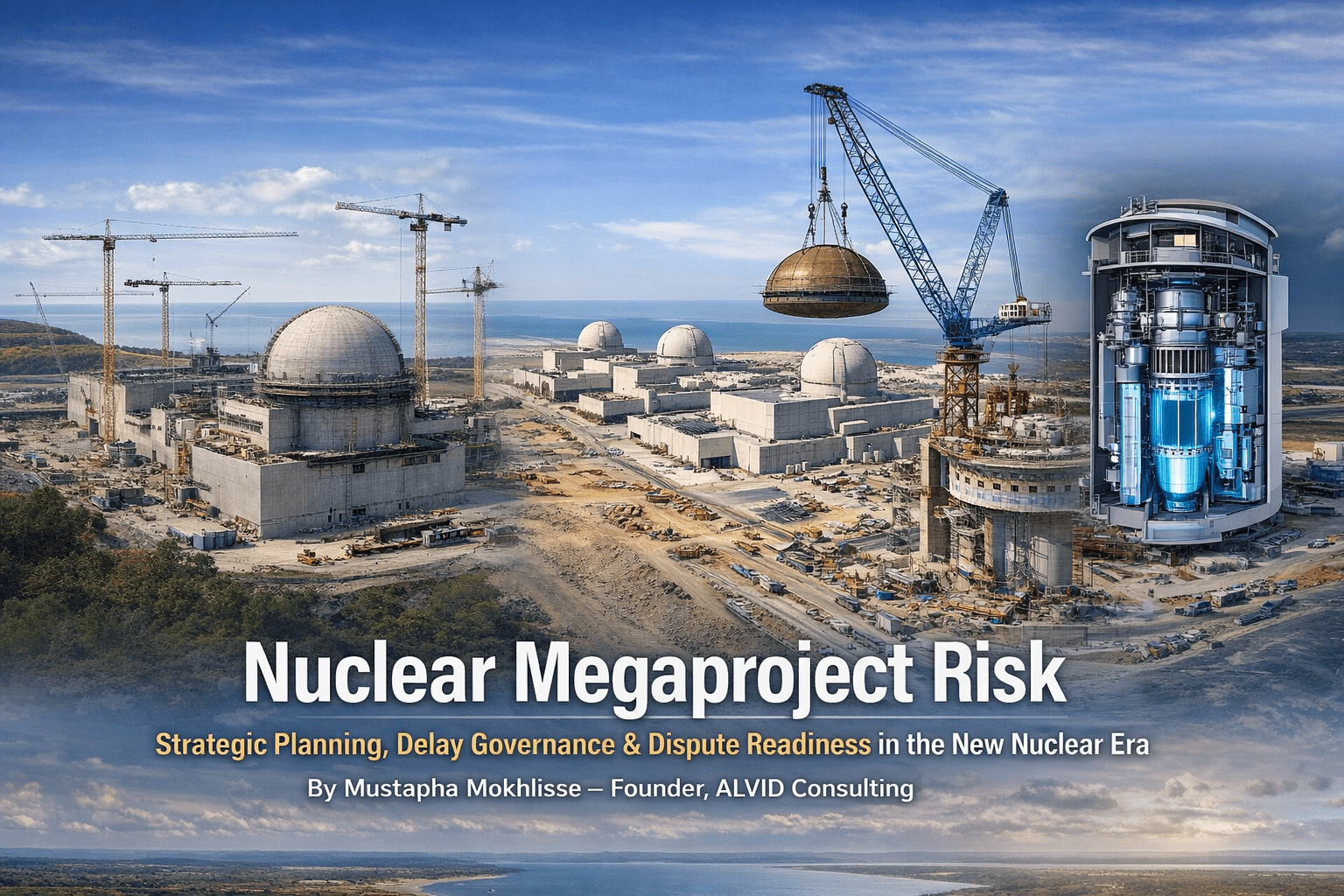
Why do nuclear megaprojects overrun their budgets and schedules?
In nuclear power, planning delays are rarely accidental.
They are structural.
1 — Design maturity and progressive engineering
Starting construction with design documentation that is still evolving creates a domino effect:
Re-sequencing of civil engineering works
Taken up in safety systems
Extended overlap of commissioning phases
Regulatory revalidation loops
A seemingly minor design immaturity can to become exponential over time.
2 — Regulatory iteration
Since the nuclear disaster of Fukushima Daiichi, the regulatory authorities apply enhanced supervision frameworks.
Regulatory changes can:
Temporarily suspend certain work fronts
Trigger retroactive design changes
To delay the commissioning authorizations
Generate systematic literature reviews
These events spread directly on the critical path.
3 — Nuclear supply chain constraints
Unlike conventional infrastructure, nuclear manufacturing requires:
Full materials traceability
Strengthening QA/QC processes
Inspection Hold Points
Certification and compliance loops
The fragility or non-compliance of a supplier can become an immediate critical risk to the schedule.
4 — Interface Congestion and Activity Competition
Disciplines Civil Engineering, Structure, Mechanical, Electrical and I&C convergent in highly constrained safety zones.
Without structured interface governance:
Concurrency conflicts are intensifying
The allocation of responsibilities is becoming unclear
The narratives of delay are crystallising late.
It is at this moment that the Forensic planning stop being a technical exercise to become a strategic shield.
Comparative International Education
 Hinkley Point C
Industrial restart amplifies learning curve effects.
Nuclear continuity is a critical factor.
 Vogtle units 3 and 4
Financial instability of contractors can destabilise the entire programme ecosystem.
Governance resilience is becoming a planning variable.
 Barakah
An integrated EPC discipline with strong central supervision significantly reduces interface fragmentation and the density of disputes.
Every case confirms one conclusion:
The success of nuclear projects depends less on ambition than on the quality of structured governance.
The delay in nuclear: beyond time
In nuclear megaprojects, delays impact:
Financing structures
Energy security commitments
Political credibility
Insurance devices
The long-term operational economy
Deadline governance must align with recognised methodologies such as:
Society of Construction Law – Delay & Disruption Protocol
AACE International Recommended Practice 29R-03
In nuclear energy, forensic preparation must exist before the dispute arose.
The integrity of the baseline is not administrative.
It's a strategic protection.
The SMR horizon: industrialising nuclear risk?
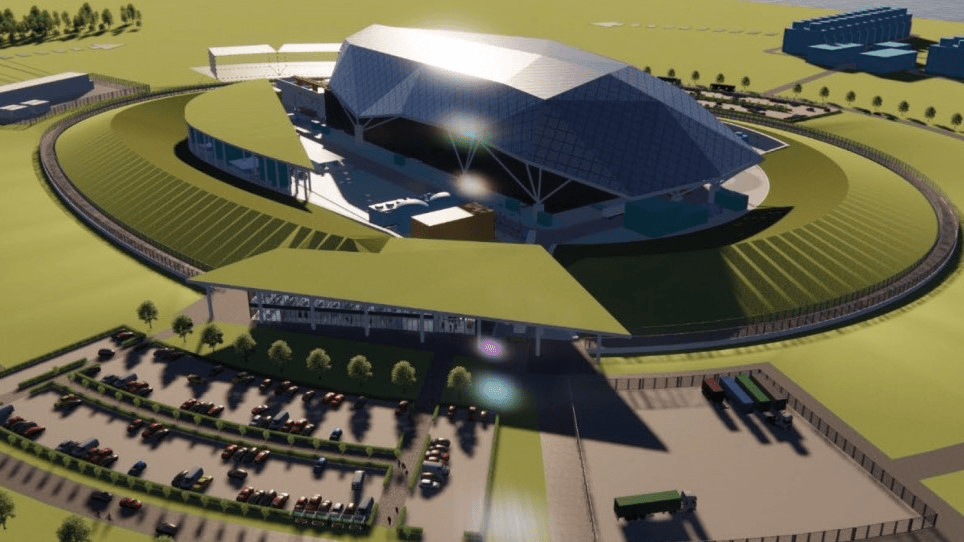
The Small Modular Reactors (SMRs) aim to:
Reduce construction site congestion
Serialise production
To reduce the concentration of venture capital
Reduce construction times
However, the risk does not disappear — it migrates towards industrial governance and certification discipline.
Industrialisation alters the distribution of risk, not his existence.
Strategic Positioning: Planning as Protection
In nuclear megaprojects, the Project Controls It needs to evolve beyond simple reporting.
He must:
Integrate risk modelling with contractual rights
Structure contemporary documentation for expert analysis
Anticipate concurrency exposures
Protect the credibility of the programme
Planning is no longer a passive tracking tool.
It's a risk governance architecture.
Conclusion: the nuclear renaissance will reward the structure
The next nuclear cycle will favour:
Institutional discipline
Integrated risk management strategies
Early forensic anticipation
Conscious contract planning
It will not reward improvisation.
The success of nuclear megaprojects lies at the intersection of:
engineering, risk modelling and litigation preparation.
In this environment, Structured deadline governance becomes a competitive advantage.
About the author
Mustapha Mokhlisse is the founder of ALVID Consulting, a firm specialising in:
Forensic Schedule Analysis
Delay & EOT Advisory
Strategic Project Controls
Contract-Risk Integration
With over 20 years’ experience in large-scale nuclear, HVDC, rail and EPC projects, he works at the intersection of:
The technical execution of projects and dispute management strategy.
 Français
  English (UK)
  Español
  Italiano
  Deutsch
  Nederlands