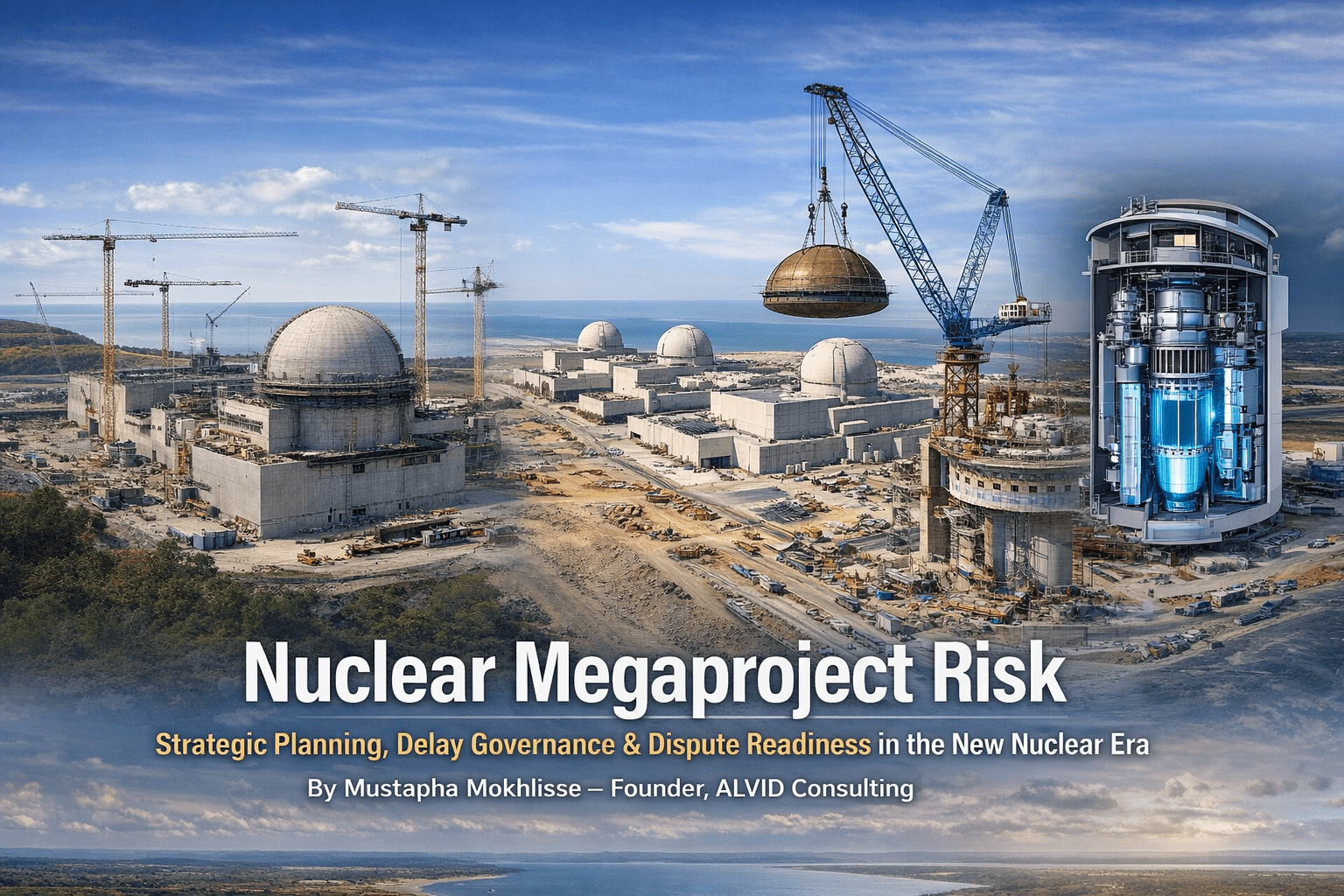
Why Nuclear Megaprojects Drift
Schedule deviation in nuclear is rarely accidental.
It is structural..
1 - Design Maturity & Progressive Engineering
Launching construction with evolving design packages creates cascading effects:
Resequencing of civil works
Rework in safety-class systems
Extended commissioning overlaps
Regulatory revalidation loops
Minor design immaturity becomes exponential over time..
2 - Regulatory iteration
Since the Fukushima Daiichinuclear disaster, safety authorities worldwide apply reinforced oversight frameworks.
Regulatory-driven change may:
Suspend work fronts
Trigger retroactive redesign
Delay commissioning approval
Create systemic documentation reviews
These events propagate across the critical path..
3 - Nuclear-Grade Supply Chain Constraints
Unlike conventional infrastructure, nuclear fabrication demands:
Full material traceability
QA/QC intensification
Inspection hold points
Certification and conformity loops
Vendor fragility or non-compliance can become immediate critical path exposure..
4 - Interface Saturation & Concurrency
Les disciplines Civil, structural, mechanical, electrical, and I&C disciplines converge within highly restricted safety zones.
Without structured interface governance:
Concurrency disputes escalate
Responsibility attribution becomes blurred
Delay narratives crystallise late
This is where forensic planning transitions from technical exercise to strategic shield.
Comparative International Lessons
 Hinkley Point C
Industrial restart risk amplifies learning-curve exposure.
Nuclear continuity matters.
 Vogtle Units 3 & 4
Contractor financial instability can destabilise entire programme ecosystems.
Governance resilience is a schedule variable.
 Barakah
Integrated EPC discipline with strong central oversight significantly reduces interface fragmentation and dispute density.
Each case reinforces one conclusion:
Nuclear delivery success depends less on ambition and more on structured governance.
Delay in Nuclear: Beyond Time Impact
In nuclear megaprojects, delay affects:
Financing structures
Energy security commitments
Political credibility
Insurance frameworks
Long-term operational economics
Structured delay governance should align with recognised methodologies such as:
Society of Construction Law Delay & Disruption Protocol
AACE International Recommended Practice 29R-03
In nuclear, forensic readiness must exist before dispute crystallises.
Baseline integrity is not administrative.
It is strategic protection.
The SMR Horizon: Industrialising Nuclear Risk?
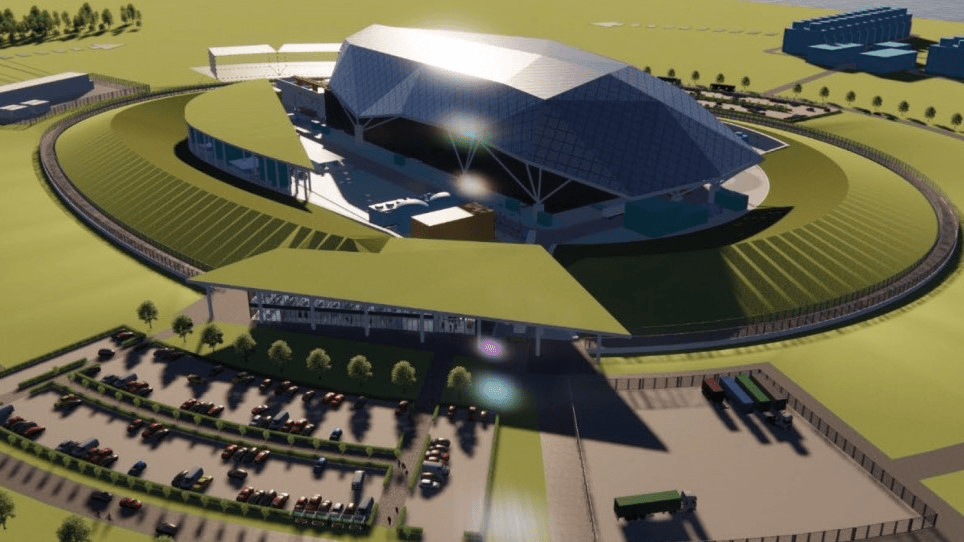
Les Small Modular Reactors (SMRs) aim to:
Reduce on-site congestion
Serialise production
Lower capital-at-risk concentration
Shorten construction durations
However, risk does not disappear it migrates toward manufacturing governance and certification discipline..
Industrialisation changes risk distribution, not its existence..
Strategic Positioning: Planning as Protection
In nuclear megaprojects, Project Controls must evolve beyond reporting.
It must:
Integrate risk modelling with contractual entitlement
Structure contemporaneous documentation for expert review
Anticipate concurrency exposure
Protect programme credibility
Planning is no longer a passive monitoring tool.
It is a risk governance architecture..
Conclusion: The Nuclear Renaissance Will Reward Structure
The next nuclear cycle will reward:
Institutional discipline
Integrated risk strategy
Early forensic anticipation
Contract-aware planning
It will not reward improvisation.
Nuclear megaproject success lies at the intersection of
engineering, risk modelling, and dispute preparedness.
And in that environment, structured delay governance becomes a competitive advantage.
About the Author
Mustapha Mokhlisse is the Founder of ALVID Consultinga specialist consultancy delivering:
Forensic Schedule Analysis
Delay & EOT Advisory
Strategic Project Controls
Contract-Risk Integration
With over 20 years of experience across nuclear, HVDC, rail, and large-scale EPC megaprojects, he operates at the intersection of engineering execution and dispute strategy.
l’exécution technique des projets et la stratégie de gestion des litiges.
 Français
  English
  Español
  العربية